








The marine environment is one of the most hostile environments any timber can face. Salt air, humidity cycling, condensation, bilge moisture, and the ever-present threat of marine borers make wooden boat ownership a constant act of preservation. The question is not whether your timber is under biological attack — it is whether your protection is keeping pace.
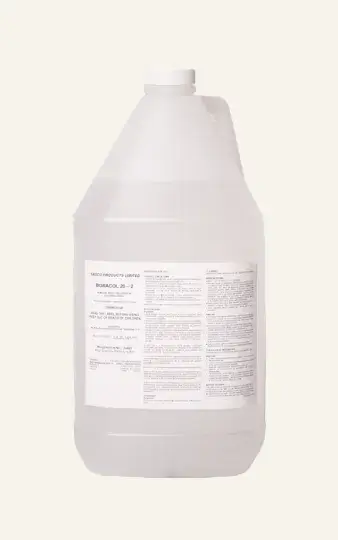
Boracol 10-2BD is a dual-active wood preservative formulated for exactly this challenge. With a borate base for deep, long-term protection and a quaternary ammonium compound for immediate surface antimicrobial action, it addresses the full spectrum of biological threats that marine timber faces — from deck mould to structural fungi to wood-boring organisms.
This guide is written specifically for boat owners — from weekend sailors with a classic wooden dinghy to liveaboards managing full timber vessels — who want to understand how professional-grade wood preservation works and how to apply it correctly.
Why Marine Timber is Always Under Attack
Wood on and around water exists in a perpetual state of biological siege. The same moisture that makes waterways navigable creates ideal conditions for the organisms that destroy timber. Understanding what you are protecting against is the first step to protecting effectively.
- 1 Wood-decay fungi: Brown rot and white rot fungi thrive in the elevated moisture conditions typical of boats and dock structures. They consume the cellulose and lignin that give wood its structural strength, leaving timber that appears sound on the surface but has lost significant load-bearing capacity below.
- 2 Mould and surface fungi: Black mould, green algae, and surface fungi are the most visible signs of biological attack. They degrade the appearance of teak decks and wooden superstructure rapidly and, left unchecked, can serve as a precursor to deeper structural decay.
- 3 Wood-boring insects: Above the waterline, timber structures in marine environments — dock houses, boathouses, cabin rooflines, and storage structures — are highly susceptible to Anobiid beetles and other boring insects. Humid marine air creates ideal conditions for their establishment.
- 4 Bilge and condensation moisture: Inside wooden hulls and cabin structures, trapped moisture from condensation, rain intrusion, and bilge evaporation keeps wood moisture content perpetually elevated — precisely the conditions that accelerate fungal colonisation in interior framing and planking.
What Makes Boracol 10-2BD Different
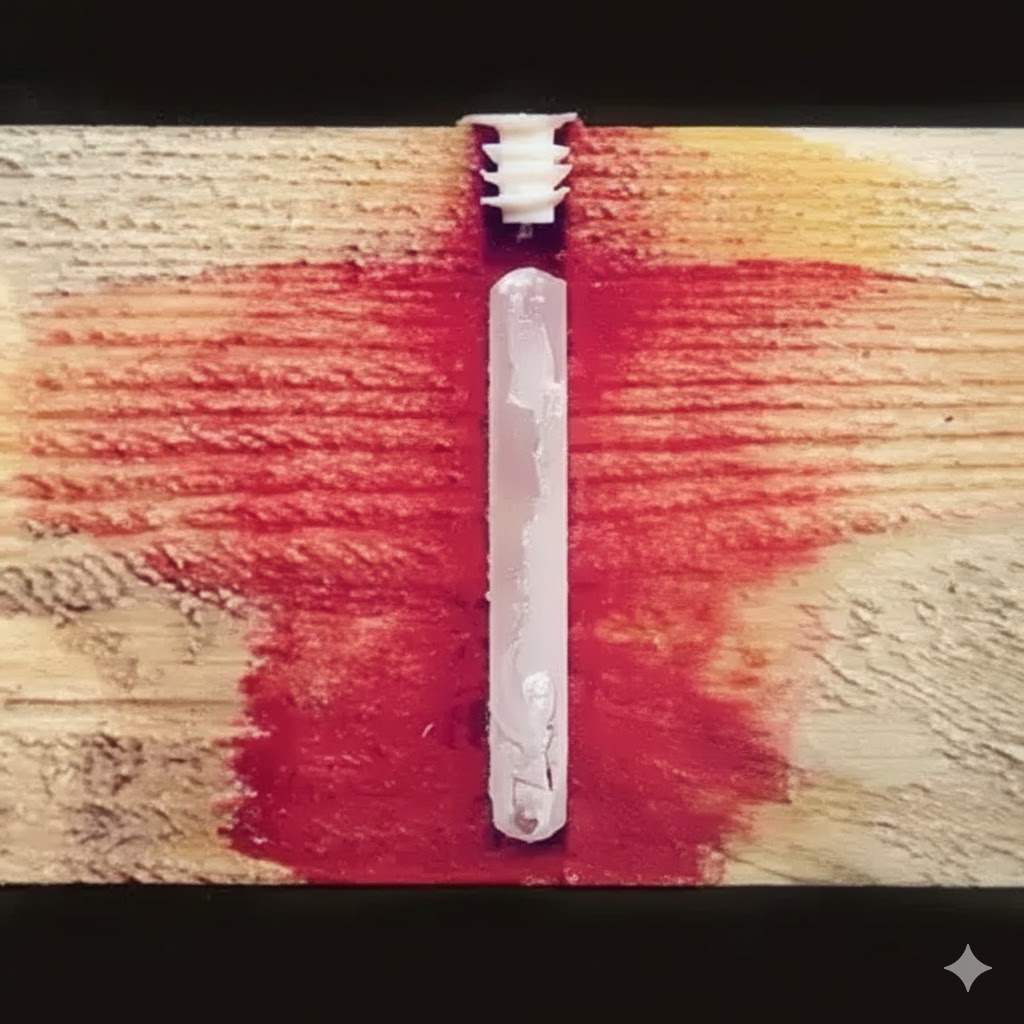
Boracol 10-2BD is a clear, ready-to-use solution combining two chemically distinct active ingredients in a propylene glycol and water carrier. This is not a topical varnish or surface sealer. It is a penetrating preservative that migrates into wood cell structure, establishing protection from within the timber rather than on its surface.
A borate salt that diffuses into wood fibre and disrupts the metabolic processes of fungi and insects that ingest treated timber. Works progressively deeper over weeks and months.
A quaternary ammonium compound that provides immediate, broad-spectrum antimicrobial action at the wood surface — killing active mould and surface fungi on contact.
This dual-active approach means Boracol 10-2BD addresses two timescales simultaneously: the DDAC acts immediately against surface contamination, while the borate diffuses deeper over time to establish long-term protection against structural decay and insect activity. It is this combination that makes 10-2BD particularly well suited to marine applications where both surface mould and structural threats are present.
The propylene glycol carrier is significant for marine use. Unlike water-only carriers, propylene glycol is a humectant — it helps maintain the solution in a mobile state long enough to achieve meaningful penetration into the wood cell structure before evaporation, making it more effective in the variable temperature and humidity conditions typical of boatyards, marinas, and coastal environments.
Understanding Your Boat's Timber — Species by Species
Different timber species used in boat building and marine structures have very different natural resistance levels and respond differently to borate treatment. Knowing your timber helps you set the right treatment expectations.
| Species | Common Use | Natural Resistance | Boracol 10-2BD Priority |
|---|---|---|---|
| Teak | Decking, cap rails, trim | High | Moderate — natural oils slow penetration; surface mould control is primary benefit |
| Mahogany | Hull planking, cabin sides | Moderate | High — treat all bare surfaces during repair or restoration |
| White Oak | Frames, keel, structural members | Moderate | High — structural timbers warrant full treatment during any exposure |
| Douglas Fir | Spars, planking, interior framing | Low | Critical — no natural resistance; treat any exposed bare wood promptly |
| Pine / Spruce | Interior linings, cabin framing | Very Low | Critical — highest priority for preventive treatment in bilge and cabin areas |
| Cedar | Strip planking, interior panelling | Good | Moderate — natural resistance helps, but bilge exposure still warrants treatment |
Teak's natural oils give it excellent inherent resistance but also slow the absorption of any penetrating treatment. For best results on teak, treat after thorough cleaning and light sanding to remove surface oil and oxidation. This opens the grain and allows meaningful borate penetration, while the DDAC component provides immediate control of surface mould and algae — teak's most common and visible biological problem.
High-Priority Treatment Zones on Your Vessel
Not all timber on a wooden boat carries equal biological risk. Focus your Boracol 10-2BD application on the zones where moisture is highest, air circulation is lowest, and biological threats are most likely to gain an early foothold.
- 1 Bilge area and floor timbers: The single highest-risk zone on any wooden vessel. Bilge water, condensation, and persistent humidity create near-ideal conditions for structural fungi. Treat all accessible bilge timbers, floor boards, and lower framing during any haulout or refit when surfaces are dry and accessible.
- 2 Teak and hardwood decking: Surface mould, black staining, and algae growth between deck planks are the most visible biological issues on wooden boats. Boracol 10-2BD's DDAC component provides effective surface kill, while the borate protects the underlying deck structure.
- 3 Cabin roof structure and deck beams: Rain intrusion through hatches, ports, and deck fittings keeps cabin roof framing and deck beams perpetually damp. These often-hidden structural members are a prime site for progressive fungal decay that goes undetected until significant damage has occurred.
- 4 Hull planking repairs and fastenings: Any time planking is opened for re-caulking, refastening, or repair, the exposed wood should receive a thorough Boracol 10-2BD application before the area is closed again. This is your best opportunity to protect timber that will not be accessible for years.
- 5 Boathouse and dock structures: Timber boathouses, dock houses, and covered storage structures are exposed to constant marine humidity and are highly vulnerable to mould, algae, and above-waterline wood-boring insects. Boracol 10-2BD is registered and effective for all these structural timber applications.
Timing Your Treatment Around the Boating Season
The marine maintenance calendar creates natural windows for timber treatment. Planning your Boracol 10-2BD application around these windows ensures maximum effectiveness and avoids interfering with your time on the water.
The ideal primary treatment window. Before the vessel is re-launched, interior bilge areas and any timber exposed during winter maintenance are accessible, dry, and ready for treatment. Apply Boracol 10-2BD to all bare timber before priming and painting.
A critical secondary treatment opportunity, particularly for addressing any biological activity that has developed over the sailing season. Fall treatment allows the borate to continue diffusing through the winter layup period — time when the product is doing quiet, valuable work.
Any refit that opens timber — planking repairs, deck replacement, cabin remodelling — is an opportunity to treat wood that would otherwise be inaccessible for years. Never close a structural repair without treating the exposed bare wood first.
Teak decks benefit from annual surface treatment as part of your cleaning and maintenance programme. Clean thoroughly, allow to dry, then apply Boracol 10-2BD before any teak oil or sealer. The DDAC kills existing surface growth while the borate protects the caulking seams and substructure.
Step-by-Step Application Guide
Correct application technique is as important as the product itself. Follow this sequence for professional results in a marine environment.
Prepare the surface thoroughly
Remove all paint, varnish, antifouling, teak oil, and other surface coatings from wood to be treated. Boracol 10-2BD penetrates bare wood only — coatings act as a barrier and will prevent absorption entirely. For teak, a light sand after cleaning removes the oxidised surface layer and opens the grain for better uptake. Allow all surfaces to dry fully before treatment.
Protect non-target areas
Cover all electrical equipment, bilge pumps, navigation electronics, and metal fittings. Boracol 10-2BD is water-based and cleans up easily from most surfaces, but protecting electronics during spray application is prudent. Cover any plants or vegetation in the work area — borates can be phytotoxic at concentrated levels.
Apply full strength by brush, roller, or spray to refusal
Apply Boracol 10-2BD at full strength — do not dilute. Work by brush, roller, or spray, covering all bare timber surfaces generously and allowing the product to penetrate before applying more. A brush is particularly useful for working product into checks, fastening holes, caulking seams, and confined bilge areas. Pay particular attention to end grain, joints, fastening holes, and any checks or cracks — these are the entry points that biological threats exploit first.
Apply a second coat for remedial work
For established mould, fungal decay, or insect activity, apply a second coat after allowing adequate penetration time for the first application. For coverage estimating, budget approximately 1 m² per litre across both applications when treating active biological attack.
Allow to dry and apply finish system
Allow Boracol 10-2BD to dry fully before applying any primer, paint, varnish, or teak oil. Confirm compatibility with your chosen marine finish system. Note that borates can leach from untreated surfaces exposed to standing water — sealing treated surfaces promptly and appropriately is an essential step, not optional.
Coverage Guidelines for Planning
| Application Type | Coverage Rate |
|---|---|
| Preventive treatment — sound timber | 3–6 m² per litre |
| Surface mould and algae eradication | 2–3 m² per litre |
| Fungal decay remediation (2 coats) | 1 m² per litre |
| Wood-boring insect treatment (2 coats) | 1 m² per litre |
Coverage varies with wood porosity, surface texture, and condition. Checks, end grain, and compromised timber will absorb significantly more. Budget conservatively.
Personal Protective Equipment
Boracol 10-2BD is a registered pest control product — handle it with appropriate care. The following PPE is required during application:
Boracol 10-2BD is not intended for surfaces submerged below the waterline, wood in direct contact with the ground, food contact surfaces, or areas with prolonged human exposure. Do not apply in areas where the product is subject to leaching by direct water or rain. Apply by brush, roller, or spray only — outdoor dip treating is prohibited under the product's registration.
Pack Sizes
Available in four sizes for vessels and projects of all scales — from a single teak deck to a full boathouse restoration:
For boatyards, marine contractors, and restoration professionals working at volume, 20-litre and 200-litre pricing is available. Contact SASCO Products at our Dartmouth office — right here on the Atlantic coast, where we understand marine conditions firsthand.
Ready to Protect Your Vessel?
Talk to the SASCO team about the right Boracol product for your vessel, dock, or boathouse. We're based in Dartmouth, NS — right on the water.