






A log home is more than a building. It's a declaration of craft, permanence, and connection to the land. But timber — even the finest, most carefully chosen logs — faces relentless biological pressure. Fungi, moulds, and wood-boring insects don't rest. Neither should your protection strategy.
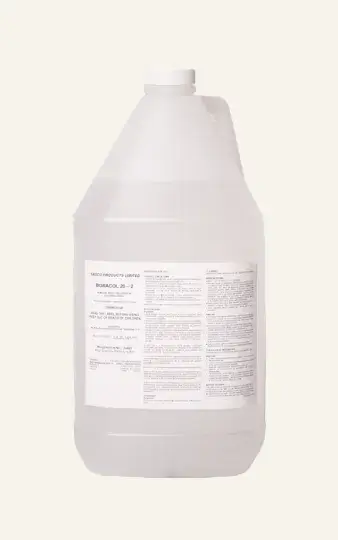
Boracol 20-2BD is a high-strength, dual-active wood preservative engineered specifically for structures where biological threats are real and the stakes are high. Trusted by restoration professionals and used by discerning log home owners from Dartmouth to British Columbia, it represents decades of proven wood science formulated to Canadian conditions.
This guide explains what Boracol 20-2BD is, how it works, when to use it, and why it remains the professional's choice for serious wood preservation work.
A Dual-Action Formula Built for Serious Threats
Boracol 20-2BD is a clear, ready-to-use solution combining two powerful active ingredients in a propylene glycol carrier system. This is not a surface coating. This is a penetrating preservative designed to be absorbed deep into wood fibre, where biological threats take hold.
The first active — Disodium Octaborate Tetrahydrate (DOT) at 19.6% — is a borate salt with a long track record in professional timber preservation. Boron compounds are highly effective against wood-decay fungi, moulds, and wood-boring insects because they disrupt cellular metabolism at the point of ingestion. When insects or fungi consume boron-treated wood, the active ingredient interferes with their ability to process energy — effectively shutting down the infestation from within.
The second active — Didecyl Dimethyl Ammonium Chloride (DDAC) at 1.0% — is a quaternary ammonium compound added to provide immediate surface antimicrobial action. DDAC attacks mould and fungi at the surface level while the borate works deeper in the wood. Together, these two actives create a layered defence that addresses both surface contamination and deep biological attack.
The Science of Penetration and Diffusion
The propylene glycol carrier system in Boracol 20-2BD is the key to its effectiveness. Propylene glycol is a humectant — it attracts and holds moisture, which allows the active borate salts to stay in solution long enough to diffuse deeply into the wood cell structure rather than simply drying on the surface.
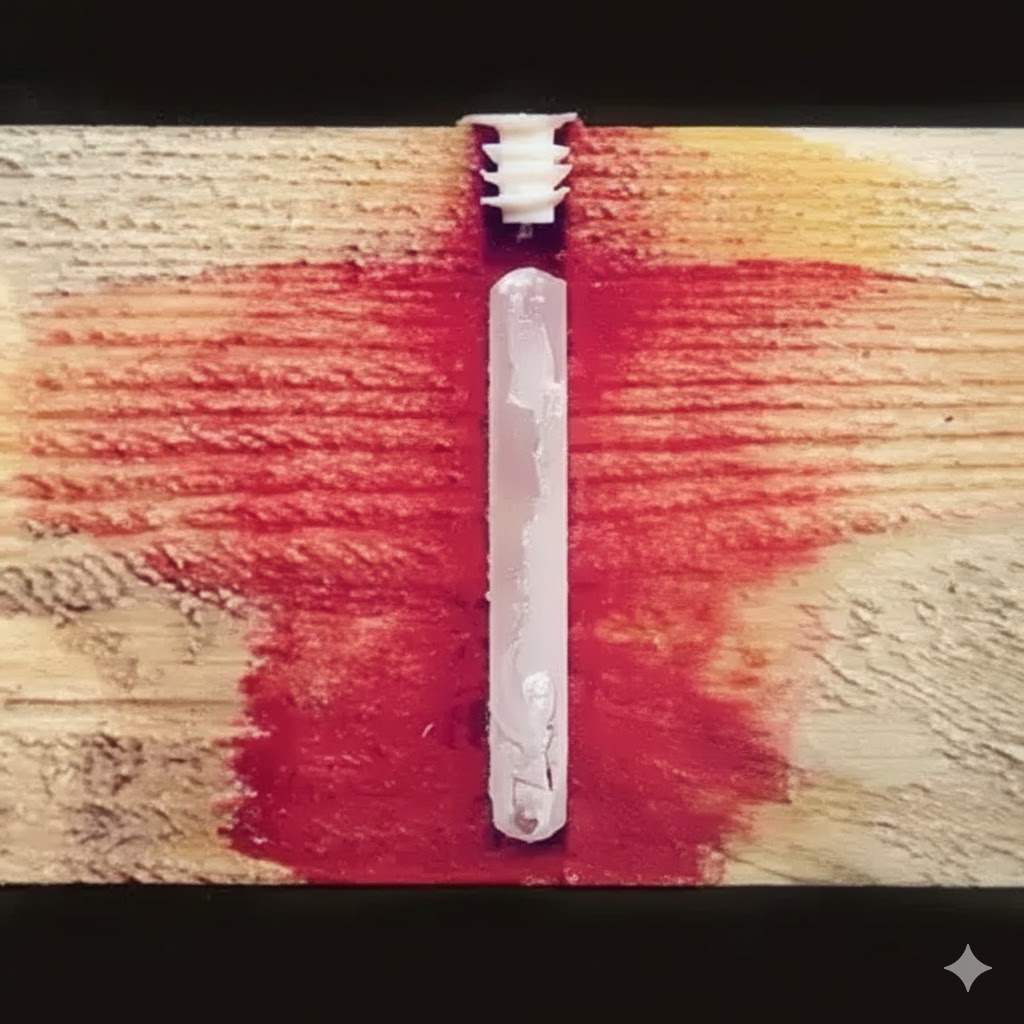
Once applied to bare, uncoated timber, Boracol 20-2BD begins migrating inward. Initial penetration of 3 to 5 millimetres can be expected shortly after application, with deeper diffusion continuing over weeks and months as moisture content in the wood facilitates further movement. This means your protection grows with time — not diminishes.
The product is designed to be applied at full strength with no dilution. Apply generously to the wood surface until refusal — until the surface can absorb no more. If the wood is already compromised by biological activity, repeat treatment may be required to ensure adequate loading of active ingredients.
Where Boracol 20-2BD Belongs
Boracol 20-2BD is registered under Canada's Pest Control Products Act (Registration No. 25664) and is formulated specifically for structural wood applications. It excels in the following scenarios:
- Attics and roof structures — high humidity environments where mould and wood-boring insects are endemic. Boracol 20-2BD applied during construction or renovation provides a lasting preventive barrier.
- Ventilated crawl spaces — the classic breeding ground for wood decay fungi. Ground moisture and limited airflow create ideal conditions for biological attack. Pre-treatment with Boracol 20-2BD dramatically reduces risk.
- Exterior decorative log siding — protected from direct rainfall by roof overhangs, this timber is often overlooked until damage is visible. Boracol 20-2BD is ideal for preventive treatment before a finish coat is applied.
- Remedial treatment of existing structures — when fungi, mould, or insect activity is found in existing timber, Boracol 20-2BD can be applied to control the infestation and halt further progression.
- Log home restoration projects — as part of a comprehensive log restoration program, Boracol 20-2BD should be applied to all bare wood surfaces before any finish coating is applied.
Important Limitations
Boracol 20-2BD is not intended for wood in direct ground contact, habitable spaces with prolonged human exposure, areas subject to direct rainfall or leaching, or food contact surfaces. Always apply by brush, roller, or spray equipment — outdoor dip treating is prohibited under the product's registration.
Coverage Guidelines for Accurate Estimation
Coverage varies depending on wood porosity, surface texture, and the degree of biological activity already present. Use the following as your planning baseline:
| Application Type | Coverage Rate |
|---|---|
| Mould & algae prevention on sound wood | 3–6 m² per litre |
| Eradication of established mould/algae colonies | 2–3 m² per litre |
| Fungal decay treatment (2 applications) | 1 m² per litre |
| Wood-boring insect treatment (2 applications) | 1 m² per litre |
For remedial fungal and insect treatments, divide the total application between two separate coats, allowing adequate penetration time between applications. Heavily compromised timber will absorb more product than sound wood — budget accordingly.
How to Apply Boracol 20-2BD Correctly
Proper application technique is as important as the product itself. Follow this sequence for professional results:
Prepare the surface
Remove all paint, stain, sealers, or other impermeable coatings. Boracol 20-2BD must contact bare wood to penetrate effectively. Remove or replace any structurally unsound timber before treatment — the product preserves sound wood, it does not restore structural integrity already lost to decay.
Protect non-target areas
Cover all electrical equipment, junction boxes, and water heaters. Remove insulation in contact with wood to be treated. Protect valuable plants and vegetation in the application area — borates can be toxic to plants at high concentrations.
Apply by brush, roller, or spray to refusal
Apply Boracol 20-2BD at full strength — do not dilute. Work the product into the wood surface until refusal occurs, meaning the surface will absorb no more. Pay special attention to log ends, checks, and cracks, which are preferential entry points for moisture and biological agents.
Retreat as needed
For remedial treatments against established fungi or insects, apply a second coat after allowing adequate dwell time for the first application to penetrate. For insect control, understand that colonies deep in the wood structure may take 3–5 years to fully resolve as Boracol 20-2BD controls insects progressively as they emerge and move through treated timber.
Apply finish coatings
Once Boracol 20-2BD has dried and penetrated adequately, confirm finish coat compatibility before applying any stain, sealant, or coating system. Most professional-grade log home finish systems — including Sansin ENS and Classic lines — are compatible when applied over properly dried Boracol-treated surfaces.
A Note for Restoration Professionals
Boracol 20-2BD is a commercial-grade product registered under Canada's Pest Control Products Act. Its combination of high borate concentration and DDAC makes it the appropriate choice for remedial work on structures with established biological activity — situations where the lower-strength Boracol 10-2BD may be insufficient.
For new construction on sound timber where the goal is purely preventive, Boracol 20-2 (the borate-only formulation at the same concentration) may be the appropriate selection. Boracol 20-2BD's DDAC component is particularly valuable when active mould or fungal colonization is present and immediate surface antimicrobial action is needed alongside the deeper borate diffusion.
When estimating project quantities, be conservative with your surface area calculations and generous with your product budget. Heavily weathered or checked timber will absorb significantly more than smooth, freshly prepared surfaces. Bringing sufficient product to site is far preferable to leaving a restoration project partially treated.
Available Pack Sizes
Available in four pack sizes to match the scale of your project — from the homeowner treating a crawl space to the professional contractor managing a full log home restoration. Contact SASCO Products for volume pricing on 20-litre and 200-litre orders.
Ready to Protect Your Log Home?
Talk to the SASCO team about the right product for your specific application. We're based right here in Dartmouth, Nova Scotia.